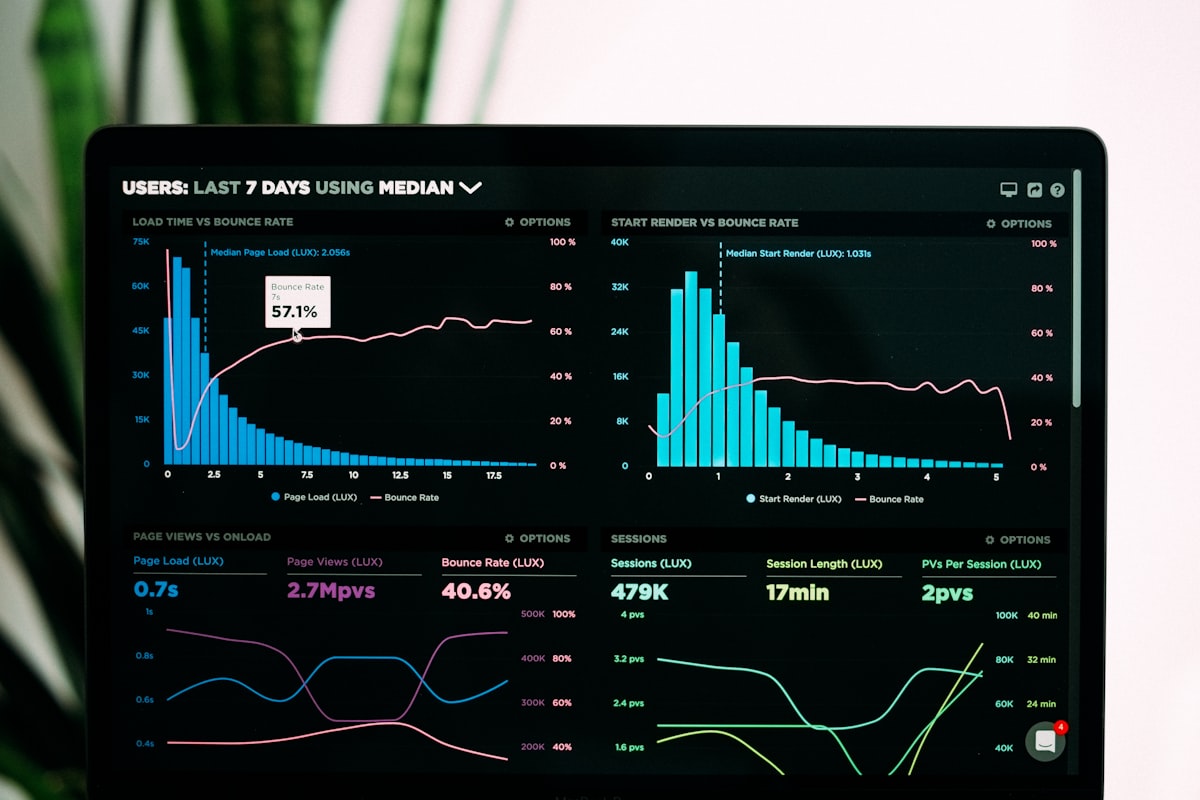
In today's data-driven business environment, people analytics has emerged as a critical tool for strategic decision-making. By leveraging data about your workforce, you can make informed decisions that drive productivity, engagement, and business success.
What is People Analytics?
People analytics involves collecting and analyzing data about employees to improve business outcomes. This goes beyond traditional HR metrics to provide actionable insights about talent acquisition, retention, performance, and development.
According to recent studies, companies that effectively use people analytics are 2.2 times more likely to outperform their peers financially and 3.1 times more likely to execute business strategies successfully.
Key Benefits of People Analytics
- Improved Hiring Decisions: Data-driven recruitment leads to better candidate selection and reduced turnover.
- Enhanced Employee Retention: Identify flight risks and implement targeted retention strategies.
- Increased Productivity: Understand what drives high performance and replicate successful patterns.
- Better Workforce Planning: Forecast skill gaps and develop proactive talent strategies.
- Reduced Bias: Objective data helps minimize unconscious bias in HR decisions.
Getting Started with People Analytics
Implementing people analytics doesn't require massive investment. Start with these steps:
- Define Business Objectives: Align analytics initiatives with specific business goals.
- Collect Relevant Data: Gather data from HR systems, performance reviews, engagement surveys, and operational metrics.
- Ensure Data Quality: Clean and validate data to ensure accuracy and reliability.
- Start with Simple Metrics: Begin with basic analytics like turnover rates, time-to-fill positions, and training effectiveness.
- Build Analytical Capability: Train HR professionals in data analysis or partner with data specialists.
- Focus on Actionable Insights: Translate data findings into practical business recommendations.
Common Metrics to Track
Consider tracking these key metrics to gain valuable workforce insights:
- Turnover Rate: Overall and by department, tenure, and performance level
- Time to Productivity: How long it takes new hires to reach full productivity
- Engagement Scores: Correlation between engagement and performance outcomes
- Training ROI: Impact of development programs on performance and retention
- Succession Readiness: Availability of qualified internal candidates for key roles
The Future of People Analytics
As artificial intelligence and machine learning advance, people analytics will become increasingly predictive and prescriptive. Forward-thinking organizations are already using AI to predict turnover, recommend career paths, and optimize team compositions.
By embracing people analytics today, businesses can build a competitive advantage through better talent decisions, improved employee experiences, and stronger alignment between HR strategy and business objectives.